3-Month Campaign Evolution
How I used three monthly campaigns to turn content strategy into measurable reach, email captures, audience engagement, and product sales.
How I used three monthly campaigns to turn content strategy into measurable reach, email captures, audience engagement, and product sales.
Three consecutive monthly campaigns—each informed by the previous month’s results—testing practical content, full-funnel lead generation, and audience segmentation tied to revenue.
Built on the content ecosystem framework; this case study shows how it ran month to month.
Tested practical formats, printables, and success-page product paths.
See March →Scaled with paid testing and a connected content-to-lead ecosystem.
See April →Segmented audiences and converted engagement into product sales.
See May →Testing practical content and product integration on the success page
Month one: prove that practical, save-worthy content could earn engagement and move people toward deeper resources.
Strategy
March focused on practical faith application. I tested list-based content, printable resources, and success-page product integration to see whether engagement could move into deeper resource discovery.
What I Built
List posts, devotional prompts, and Scripture-backed encouragement mapped to the monthly theme.
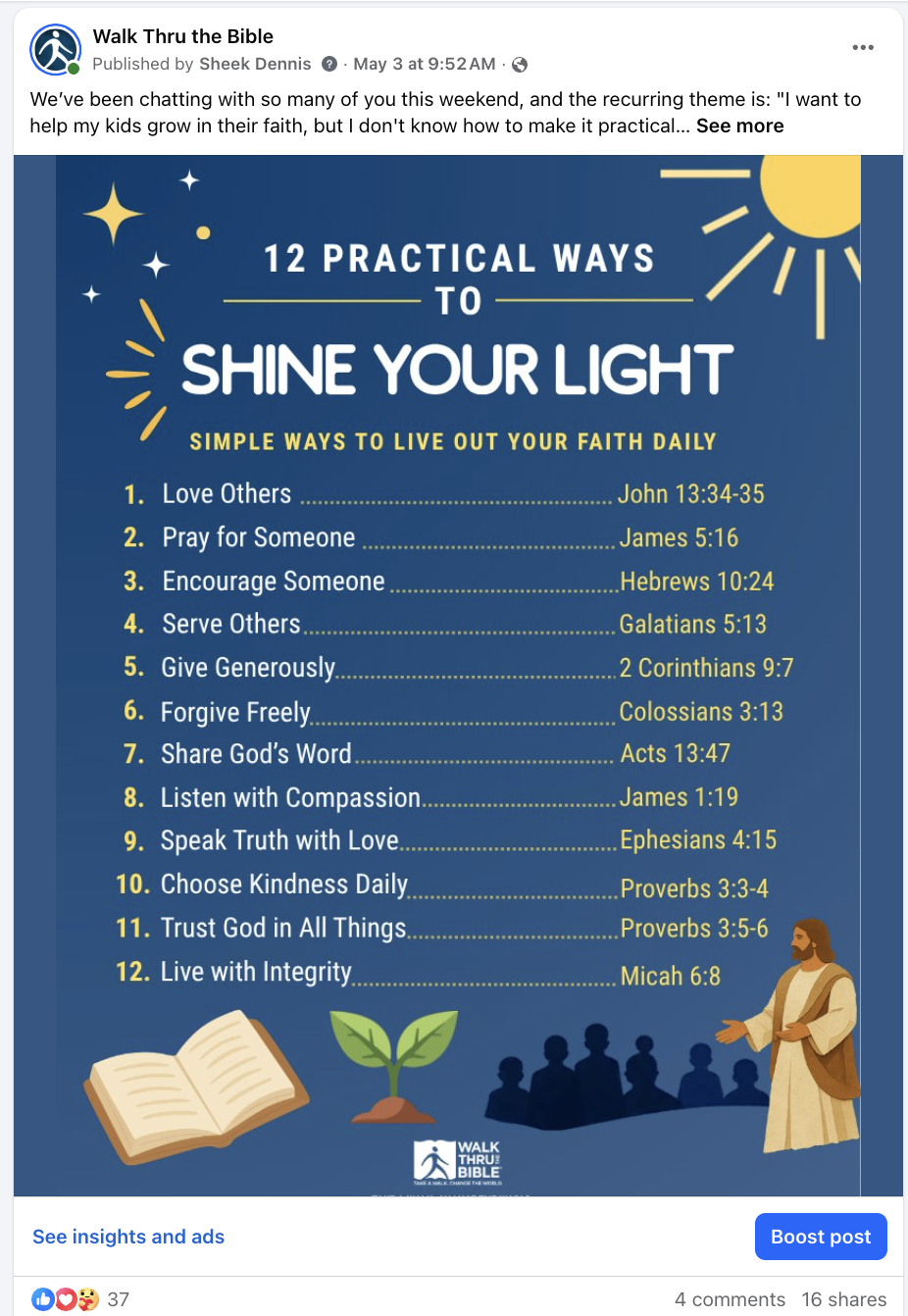
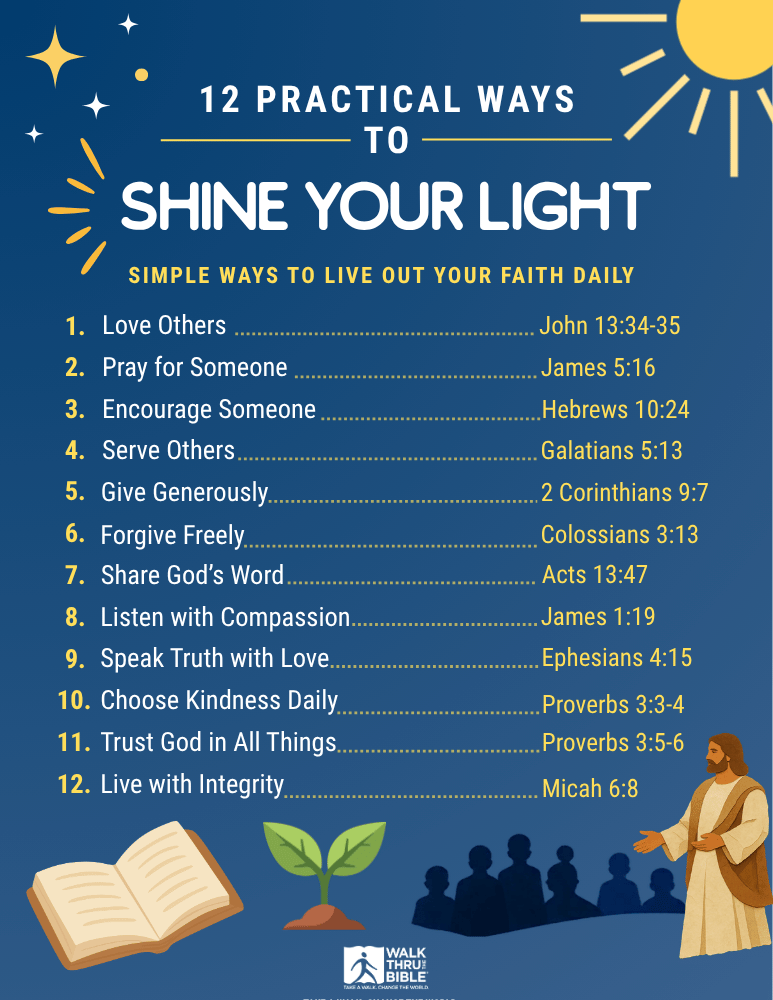
“12 Practical Ways to Shine Your Light” printable—designed for saves, shares, and list growth.
Success pages connected the free download to related devotionals, blog content, and next-step resources.
March campaign funnel

Key Result
What I Learned
Practical, verse-backed resources outperformed generic posts. Connecting the printable to a success page with product and blog pathways showed that free value could open a path to revenue—the insight that shaped April’s full ecosystem.
Full campaign ecosystem with paid amplification
Month two: connect social, blog, lead magnets, and products into one intentional pathway—then test paid amplification on what was already working organically.
Strategy
April expanded the system. Instead of treating social, blog, lead magnets, and products as separate pieces, I connected them into one campaign pathway: social content drove curiosity, blogs deepened the topic, lead magnets captured emails, and success pages pointed users toward the next resource.
What I Built

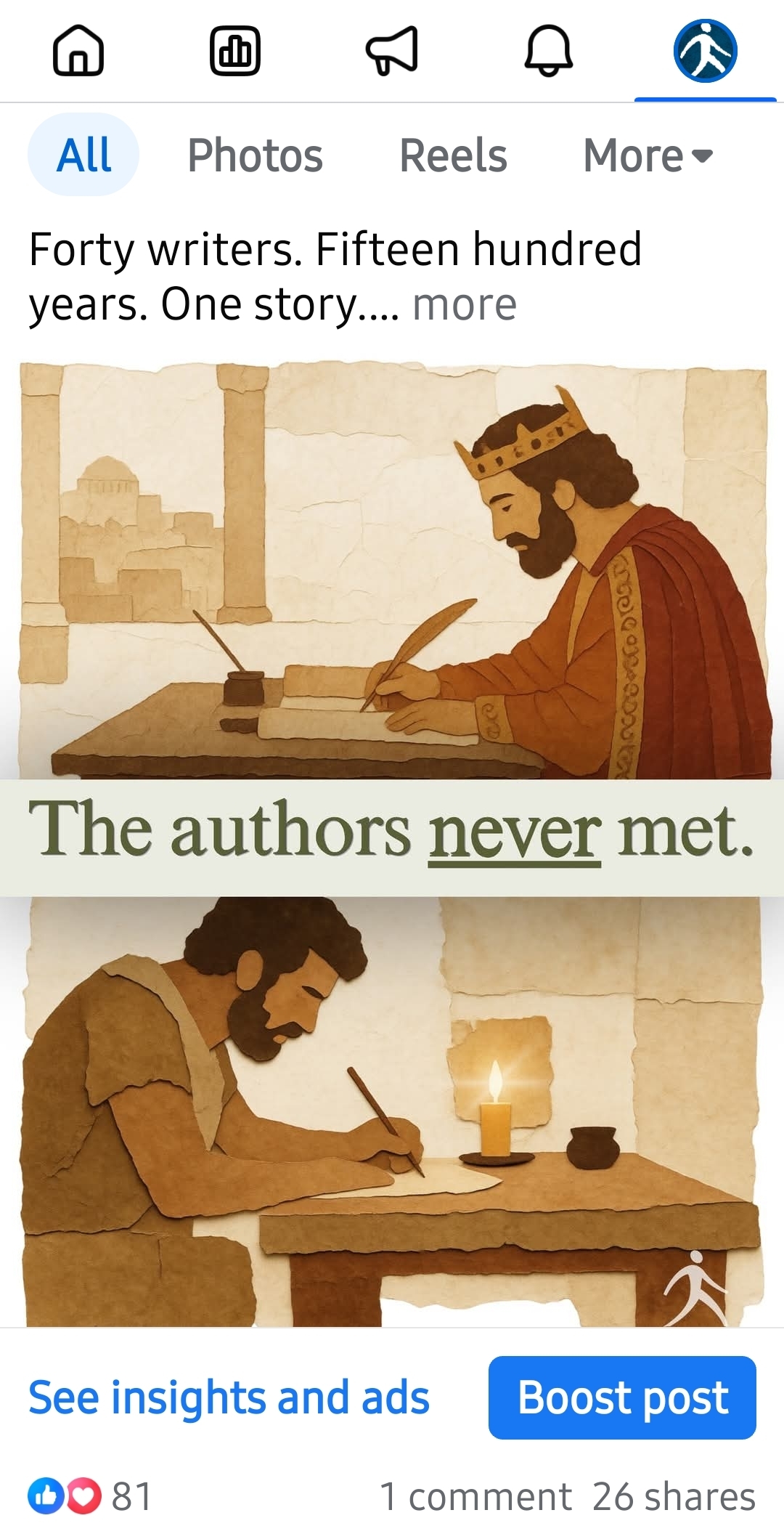
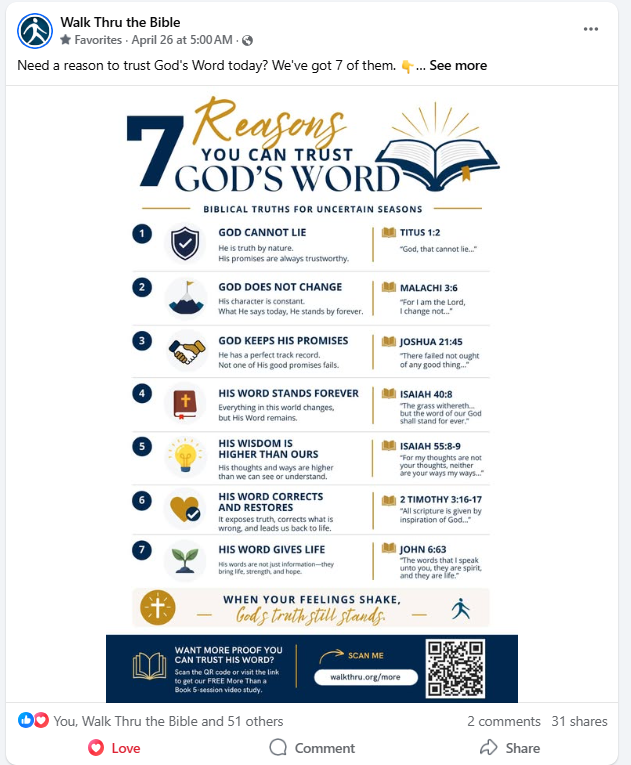
April deployed the full asset stack behind the organic breakthrough post featured in the hero—educational carousels, blog CTAs, printables, and the “More Than a Book” study guide, each tied to the same theme and next-step journey.
The “40 Authors Never Met” post (Sunday, 5:00 AM) became the 3rd highest-performing organic post in 2+ years, validating strategic timing and audience-centered education before paid tests scaled what was already working.
April campaign assets

Key Result
471K+ week-one reach · 30 leads in 24 hours · $0.71 cost per lead
What I Learned
Paid amplification scaled what organic content had already validated. A low-barrier printable plus a connected funnel turned reach into measurable captures—and deep insight content created engagement that lasted beyond the first 24 hours.
Audience segmentation and comment-driven product sales
Month three: move from broad messaging to segmented audiences—then use comment engagement and DMs to recommend products based on what people actually needed.
Strategy
May shifted from broad campaign messaging to audience segmentation. I mapped content for parents, grandparents, homeschool families, Sunday School teachers, and children’s ministry leaders, then used comment-based engagement to identify real needs before recommending products.
What I Built

The kickoff post invited followers to comment “RESOURCE” if they needed help teaching Scripture to children. I followed up directly, listened for recurring pain points, and recommended resources based on what people actually needed. That thread drove 47 comments and 22 shares, with 3 Bible Story Super Bundle purchases coming straight from the kickoff post alone—already unheard-of for bundle pushes here. By the end of May, the campaign reached 11+ bundle sales total, an unprecedented result for this product line.

Key Result
What I Learned
Segmentation made content feel personal. Listening in comments and DMs before pitching products built trust—and turned educational posts into a credible path to revenue without hard-sell language.
The campaigns were not built for engagement alone. Each month included a downloadable resource designed to convert attention into owned audience growth.
Campaign lead magnets · March–May 2026
Each resource connected to blogs, success pages, and product recommendations—so individual downloads became part of a repeatable acquisition system, not one-off transactions.
Each month built on the last—creating compounding reach, list growth, and revenue impact.
Practical content testing became a full campaign ecosystem with paid amplification and 471K+ reach.
Lead generation insights shaped audience segmentation and product recommendations through direct engagement.
The three-month cycle produced reach, email growth, engagement, and direct product sales.
This campaign arc showed how content improves when each month is treated as a learning cycle. March tested practical resources. April connected content into a full lead-generation pathway. May used audience segmentation and direct engagement to move from interest to product sales.
The result was a repeatable campaign rhythm that connected strategy, storytelling, paid testing, email capture, and revenue impact.
Dennis is open to Content Marketing Manager, Digital Marketing Strategist, and Marketing Communications roles.