How I built a strategic content framework from scratch that produced a 1,875% engagement lift, 32K+ interactions, and transformed scattered posting into a systematic lead-generation engine. As Digital Communications Manager, I led execution across podcast, social media, daily devotionals, and publishing—not calendar planning alone.
When I joined Walk Thru the Bible, the organization’s longtime communications leader retired, leaving no documented content strategy or planning framework.
I was responsible for maintaining daily communication with a 13,000+ Facebook audience, but there was no system connecting content to audience needs, organizational goals, or lead generation.
Rather than continue posting reactively, I conducted a content audit and built a repeatable content growth system that connected social media, blog content, lead magnets, and resource promotion into a unified strategy.
I started with a full content audit and used those findings to design a planning system the team could run every month.
Analyzed 18 months of content performance to identify recurring patterns, audience behavior, and content opportunities.
Every post served one of six content purposes (Educate, Inspire, Connect, Celebrate, Promote, Invite) and supported one of five organizational goals (Awareness, Revenue, Thought Leadership, Mission Impact, Community Growth).
Testing revealed Sunday mornings consistently produced the strongest engagement, with 5:00 AM emerging as the optimal publishing time for the core audience.
Using these insights, I built a strategic framework that mapped content pillars, content purpose, and business goals into a repeatable planning system.
Content was planned through monthly strategy briefs that aligned campaigns, content calendars, lead magnets, and organizational priorities.
Each brief established monthly themes, campaign objectives, resource promotion priorities, lead generation opportunities, and cross-channel alignment so every channel moved toward the same goals.
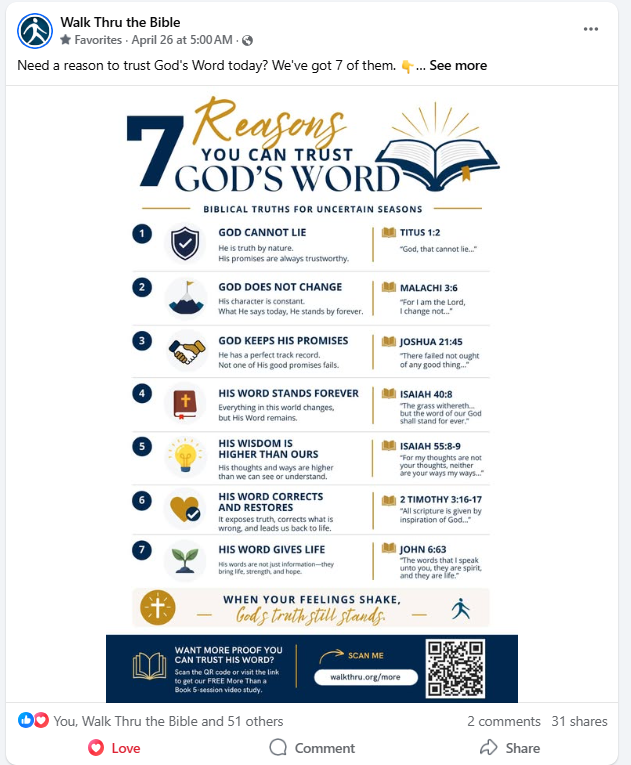
The content engine combined educational content, engagement posts, blog articles, and discovery-driven storytelling—including pieces like 7 Reasons You Can Trust God’s Word, fill-in-the-blank engagement posts, and discovery-based biblical insight content such as 40 Authors Never Met.
Rather than creating isolated posts, every piece of content supported campaign goals and guided audiences toward a next step.
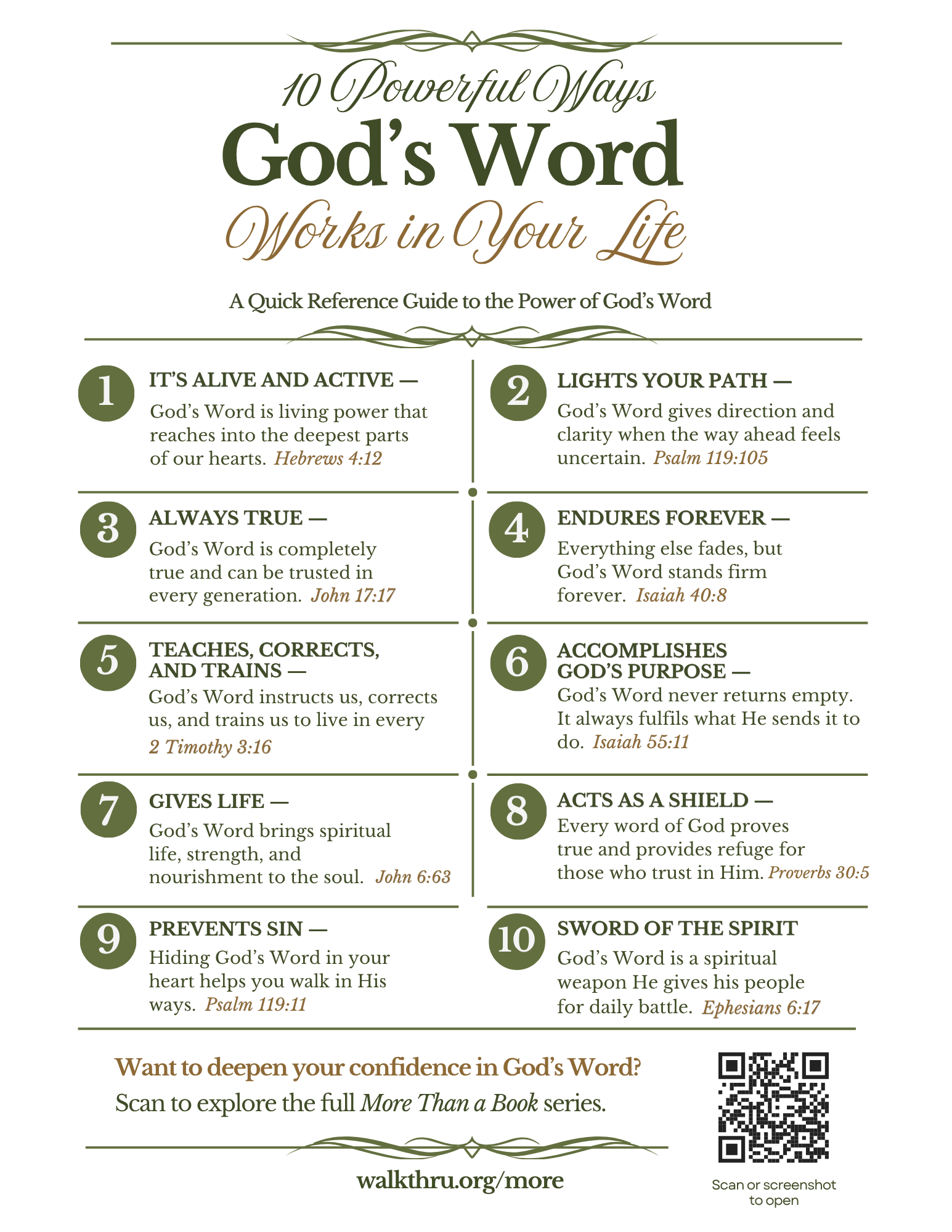
Lead magnets, success pages, resource hubs, and QR-code pathways transformed content engagement into deeper audience relationships through printables, study guides, success pages, related resources, and product recommendations.
The QR-code system created a feedback loop that guided users from one resource to another, increasing engagement depth and resource discovery. Every touchpoint had a next step—nothing existed in isolation.
One educational Scripture carousel generated 51,604 views, 5,867 engagements, and 68 shares—significantly outperforming historical benchmarks and demonstrating the power of audience-centered educational content.
After users downloaded a lead magnet, success pages extended the journey with a Dive Deeper section, related resources, and clear paths to the organization’s main resource library and product recommendations.
This closed the loop between social discovery, email capture, and long-term audience relationship building.
QR Code Loop: Printable β Main Resource β Deeper Engagement
This system transformed content from a daily publishing activity into a measurable growth engine.
This project demonstrated my ability to build strategy where none existed. Rather than treating content as isolated posts, I created a repeatable operating system that connected audience engagement, educational content, lead generation, and product discovery.
The result wasn’t simply higher engagement—it was a scalable framework that transformed content from a publishing activity into a measurable growth engine capable of generating awareness, capturing leads, and deepening audience relationships over time.
Dennis is open to Content Marketing Manager, Digital Marketing Strategist, and Marketing Communications roles.